
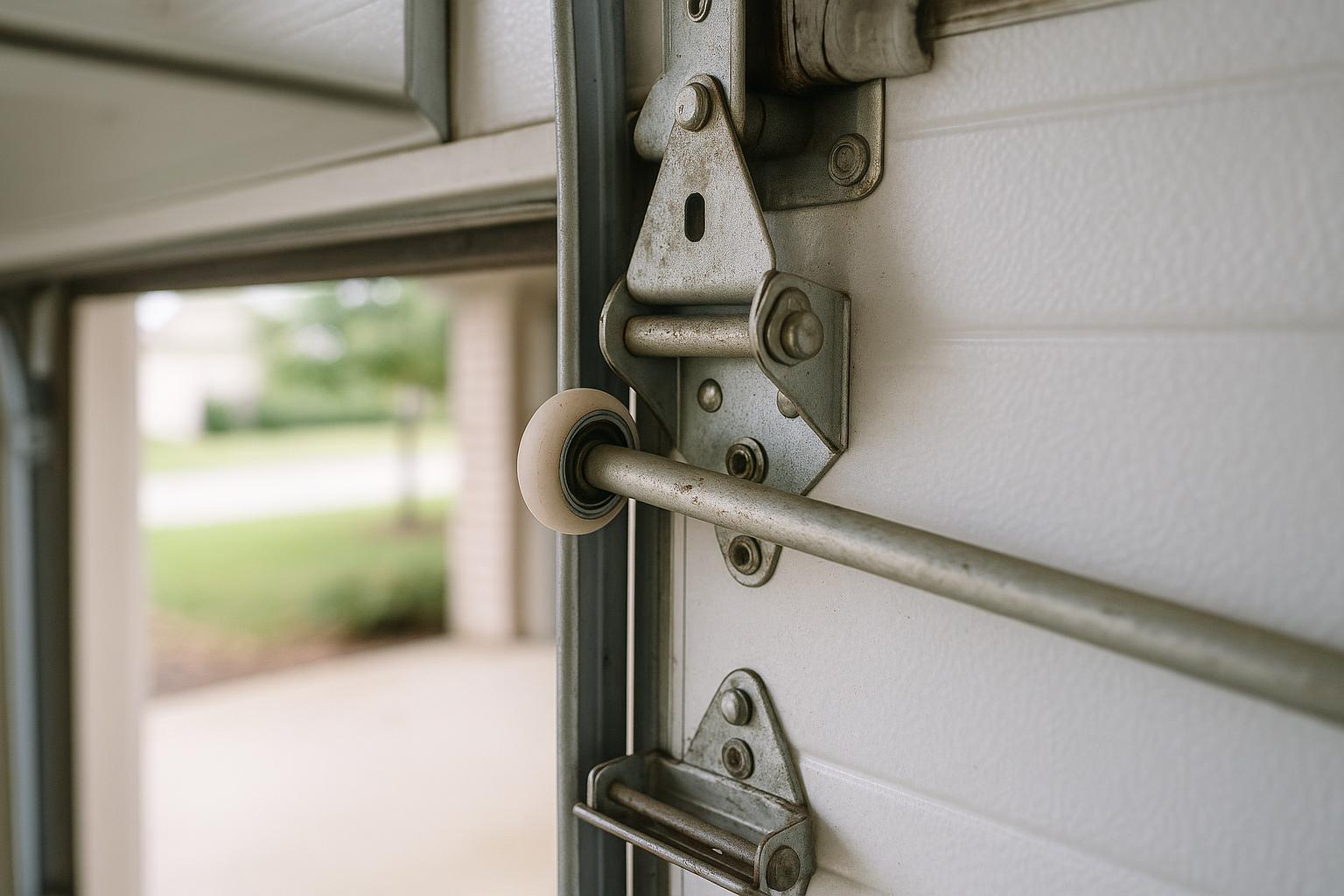
When Your Garage Door Starts Talking, You Should Listen
Your garage door is one of the largest moving parts of your home, and when something goes wrong, it usually doesn't stay quiet about it. If you've noticed grinding, squealing, popping, or rattling every time you open or close your garage door, those sounds are trying to tell you something.
For homeowners in Troy, MO, a noisy garage door is more than just an annoyance — it can be an early warning sign of a mechanical issue that could lead to a costly repair or even a safety hazard if left unaddressed. The good news is that many garage door noises have straightforward causes and solutions. Let's break down the most common sounds and what they mean.
Squealing or Screeching Sounds
A high-pitched squeal when your garage door moves is one of the most common complaints we hear from homeowners throughout Troy and Lincoln County. This sound typically points to one of two issues:
- Lack of lubrication: Your garage door system has multiple metal-on-metal contact points — rollers, hinges, tracks, and springs — that need regular lubrication to operate smoothly. Over time, especially through Missouri's hot summers and cold winters, lubricant dries out and friction increases. The result is that unmistakable screech.
- Worn-out rollers: If your garage door uses metal rollers, they can wear down over time and begin to scrape against the track. Nylon rollers are quieter and longer-lasting, and upgrading to them is a relatively simple fix that can make a dramatic difference in noise levels.
In many cases, a thorough lubrication of all moving parts with a silicone-based garage door lubricant can eliminate squealing entirely. We recommend doing this at least twice a year as part of routine garage door maintenance.
Grinding or Scraping Noises
A grinding sound is harder to ignore and usually signals a more significant problem. The most common causes include:
- Misaligned tracks: Your garage door rides along two vertical metal tracks. If one or both tracks become bent, shifted, or misaligned, the door will grind against them as it moves. You might also notice the door moving unevenly or getting stuck partway up.
- Damaged rollers: Rollers that are cracked, chipped, or have lost their bearings will grind rather than glide. This puts extra stress on the entire door system and can cause further damage if not addressed quickly.
- Opener gear issues: If the grinding is coming from the garage door opener unit itself rather than the door, the internal gears may be stripped or worn. This is especially common in older chain-drive openers.
If you hear grinding, it's a good idea to stop using the door and have a professional take a look. Continuing to operate a misaligned or damaged door can turn a minor repair into a major one.
Rattling and Vibrating
A rattling garage door often sounds worse than it actually is. Common culprits include:
- Loose hardware: The nuts, bolts, and screws that hold your garage door system together can loosen over time due to the constant vibration of daily use. A simple tightening with a socket wrench can often solve the problem.
- Loose chain or belt: If your opener uses a chain drive, a loose chain will slap against the rail and create a rattling noise during operation. Belt-drive openers can develop a similar issue if the belt loses tension.
- Unsecured opener mounting: If the opener unit itself is vibrating, the mounting bracket or supports connecting it to the ceiling may need to be tightened or reinforced.
We recommend checking all visible hardware every few months, especially if your garage door sees heavy daily use.
Banging or Popping Sounds
A sudden bang or pop when the door starts moving can be alarming. Here's what might be happening:
- Torsion spring issues: The torsion springs above your garage door are under enormous tension. As they age, they can develop weak spots that cause them to pop or snap. A loud bang followed by the door refusing to open usually means a spring has broken — and that's a repair that should only be handled by a trained professional.
- Panel problems: If a door panel is warped, cracked, or separating from the frame, it can pop or bang as the door flexes during operation. This is more common in older wooden doors or doors that have sustained impact damage.
- Track obstructions: Small debris, dirt buildup, or even a small stone caught in the track can cause a popping sound as the rollers pass over it. A quick visual inspection of the tracks can rule this out.
When to Call a Professional
Some garage door noises are easy to fix on your own — a can of lubricant and a wrench can handle a surprising number of issues. But there are times when calling a professional is the safest and smartest choice:
- The noise involves the springs or cables (these are under high tension and dangerous to work on without proper training and tools)
- The door is visibly off-track or moving unevenly
- You've lubricated and tightened everything but the noise persists
- The opener is making internal grinding or humming sounds
- The door is more than 15 years old and developing multiple issues
At Troy Garage Door, we help homeowners across Troy, Moscow Mills, Winfield, Foristell, Wright City, and Hawk Point diagnose and fix noisy garage doors every week. Whether it's a quick roller replacement or a full opener repair, we show up on time and get the job done right the first time.
Preventing Noisy Garage Doors in the First Place
The best way to avoid unexpected garage door noises is with regular preventive maintenance. Here's a simple checklist you can follow:
- Lubricate all moving parts — springs, hinges, rollers, and tracks — every six months using a silicone-based spray designed for garage doors.
- Tighten all hardware — go over every visible nut, bolt, and bracket with a wrench at least once a year.
- Inspect rollers and hinges — look for cracks, chips, or signs of wear. Replace any that look damaged.
- Clear the tracks — wipe down the inside of both tracks to remove dirt, cobwebs, and debris.
- Test the door balance — disconnect the opener and manually lift the door halfway. If it doesn't stay in place, the springs may need adjustment.
- Schedule a professional tune-up — an annual maintenance visit from a qualified technician can catch problems before they become expensive repairs.
Living in Troy means your garage door deals with everything from summer humidity to winter ice, and those seasonal swings take a toll on moving parts. A little preventive care goes a long way toward keeping your door quiet, safe, and reliable for years to come.
Don't Ignore the Noise
A noisy garage door is your home's way of asking for attention. Some sounds are minor and easy to fix, while others are warning signs of something more serious. Either way, addressing the issue early saves you money, prevents inconvenient breakdowns, and keeps your family safe.
If your garage door is making a sound you can't identify — or one you know isn't right — give Troy Garage Door a call. We'll diagnose the problem, explain your options, and get your door back to running smoothly and quietly.